
TLDR: Reactive property management breeds stress and vacancies. Prevent them by scheduling maintenance proactively, automating routine tenant communications with AI, setting clear expectations upfront, building a trusted vendor network, and protecting personal time with firm digital systems and strict professional boundaries.
The 11 p.m. maintenance calls. The lease renewal you forgot was coming. The tenant dispute that landed in your lap on a Friday afternoon.
Sound familiar?
This guide covers 18 tips across six areas: mindset, tech, property condition, community, finances, and personal energy.
No fluff. Just what works.
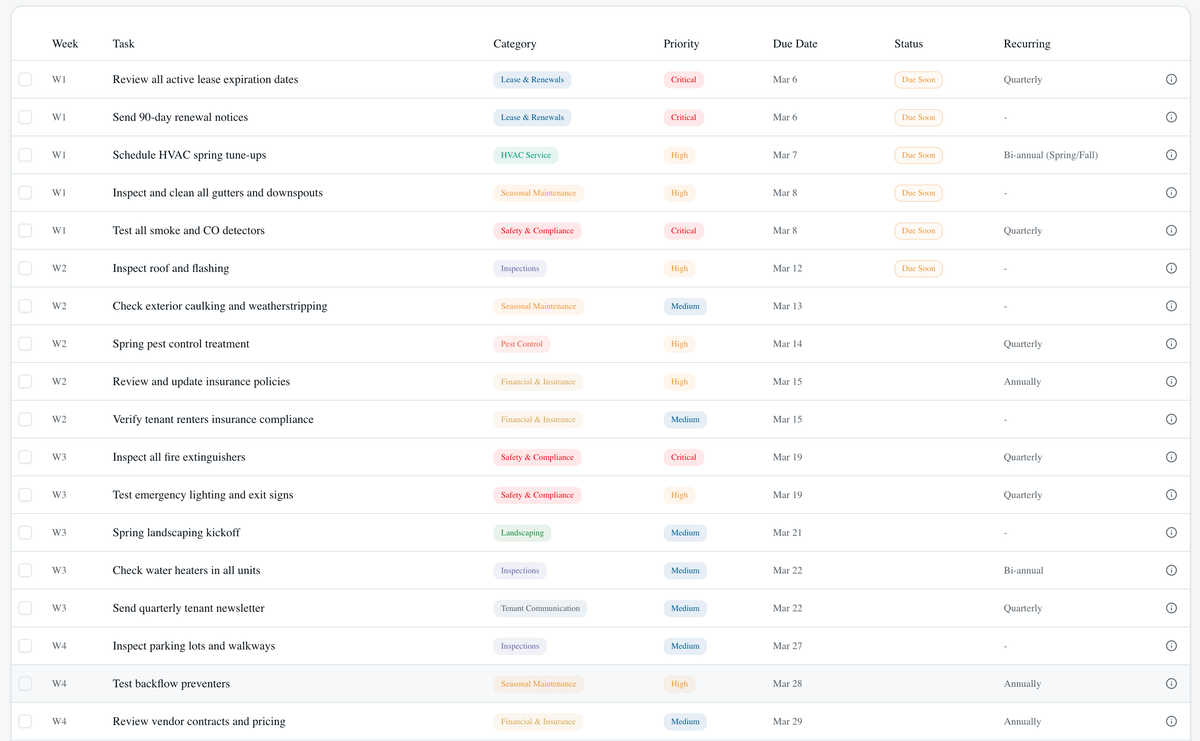
Map out the next 90 days. Every quarter. Here's what belongs on that calendar:
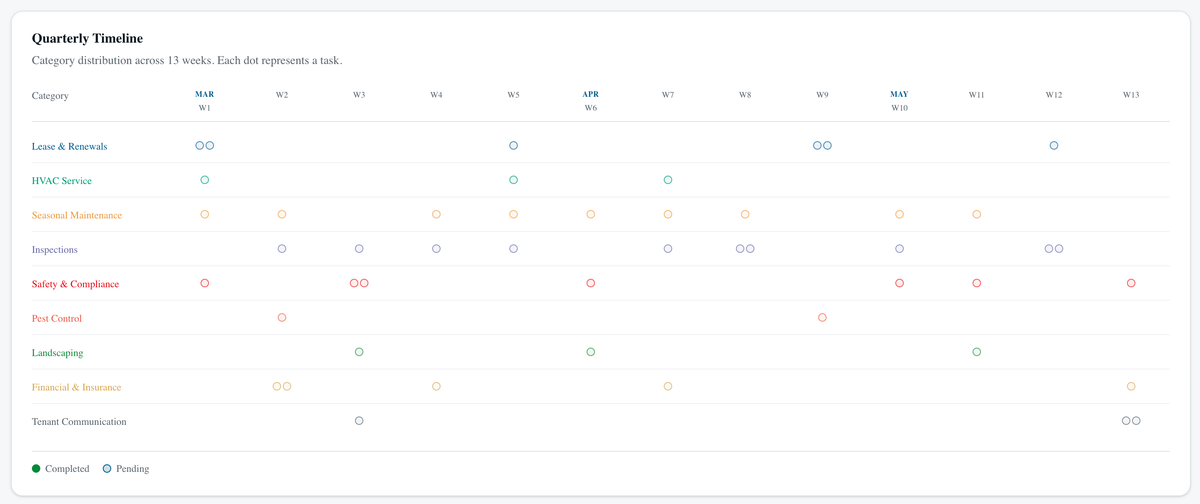
The problems that blow up? They were almost always visible weeks earlier. A simple spreadsheet beats any crisis management playbook.
The goal is to be organized and aware of what is coming up.
The fastest way to reduce conflict, extend tenancies, and fill vacancies through referrals?
Listen. Actually listen.
That doesn't mean agreeing with every complaint. It means letting a resident finish their sentence before jumping to a solution.
In most cases when a tenant is upset its not about the issue itself as things break. That’s normal. Instead they’re upset about how the break is handled.
What happens when tenants feel heard:
New AI tools appear every month, each promising to save you hours of manual work. It's tempting to chase every shiny new platform, but that's a fast track to burnout and wasted subscriptions.
The better approach is to learn how to apply AI to your day-to-day job. That means understanding where AI fits into your actual workflows
Rather than memorizing which buttons to click in any single tool. Tools change constantly. The skill of knowing where AI can help you stay relevant no matter what.
But staying current without getting overwhelmed takes a little structure. Try building a simple habit:
Your tenants order food from DoorDash, call rides on Uber, pay bills through their bank app, and sign documents from their phone.
They're already used to doing everything through a platform.
So, if you're still fielding rent checks and tracking maintenance requests through text messages, you're doing work they could easily be doing for themselves.
This is where a self service portal is helpful, you put the power back in the tenant’s hands to:
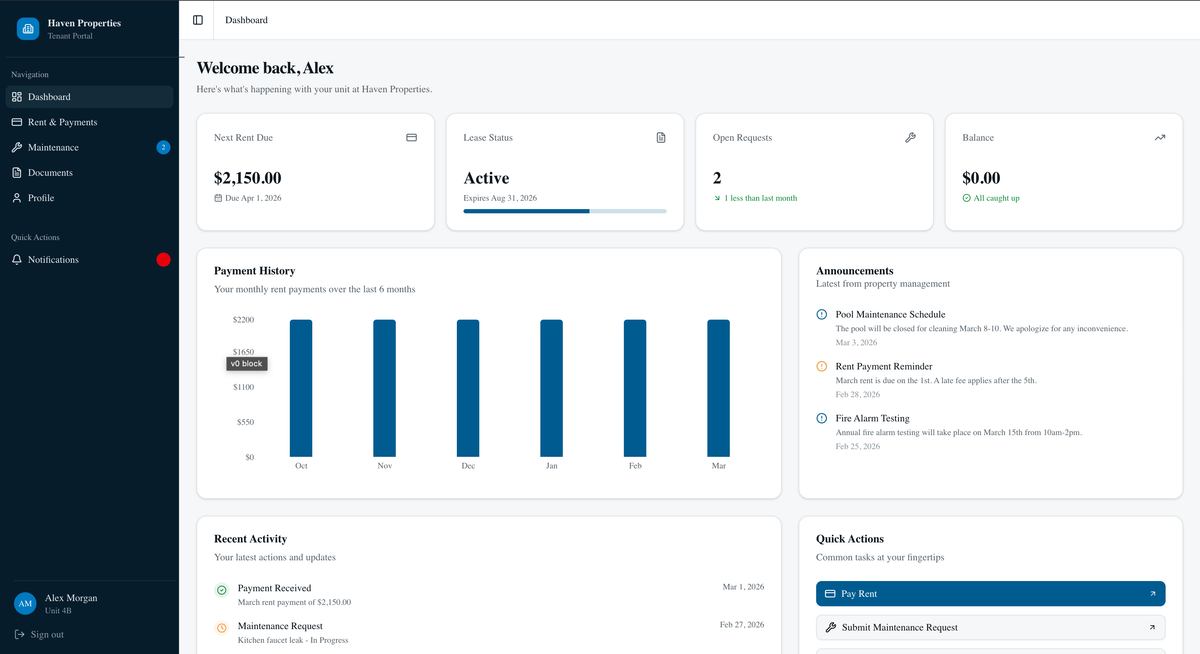
Every request logged. Every payment timestamped. Every lease stored automatically.
Tenants get the simple digital experience they already expect from every other part of their life.
You get your time back.
The portal handles the routine so you can focus on the work that actually needs you.
Count how many times a month you manually send rent reminders. Late fee notices. Lease renewal follow-ups. Welcome emails.
Each takes five to ten minutes. Multiply across a portfolio. That's hours every week on messages that could send themselves.
What automation handles without you touching a button:
Those hours back?
That's time for strategic decisions, vendor relationships, or radical ideas, leaving the office before dark. If you want a concrete starting point, these AI prompts combined with an agentic loop such as Claude code show you exactly what's possible.
Every experienced property manager has that instinct that tells you a unit is underpriced, a tenant is about to leave, or a repair is going to snowball.
But that gut feeling isn't magic. It's built on data.
When you're starting out, your job is to collect and absorb as much information as possible.
Become a literal sponge and soak up as much as you can from more experienced veterans.
Start tracking the metrics that sharpen your instincts over time:
Over time, these numbers stop being just numbers. They become instinct.
You'll look at a unit and know it's priced wrong. You'll hear a maintenance request and know it's the start of something bigger.
An ounce of prevention is worth a pound of cure. That leaky faucet you ignore today becomes water damage next month. The furnace filter you skip in the fall becomes a no-heat emergency in January.
Small repairs stay small only if you catch them early.
Make it a habit to address issues the moment they surface. A $200 fix today saves you a $4,000 emergency tomorrow. Every time.
Once you've been through a few seasons, you'll start to recognize the repairs that come around like clockwork. Get ahead of them:
These aren't surprises. They're predictable. And when you treat them that way, you spend less money, get fewer emergency calls, and keep tenants who notice that things just work.
They don't always say it, but they notice.
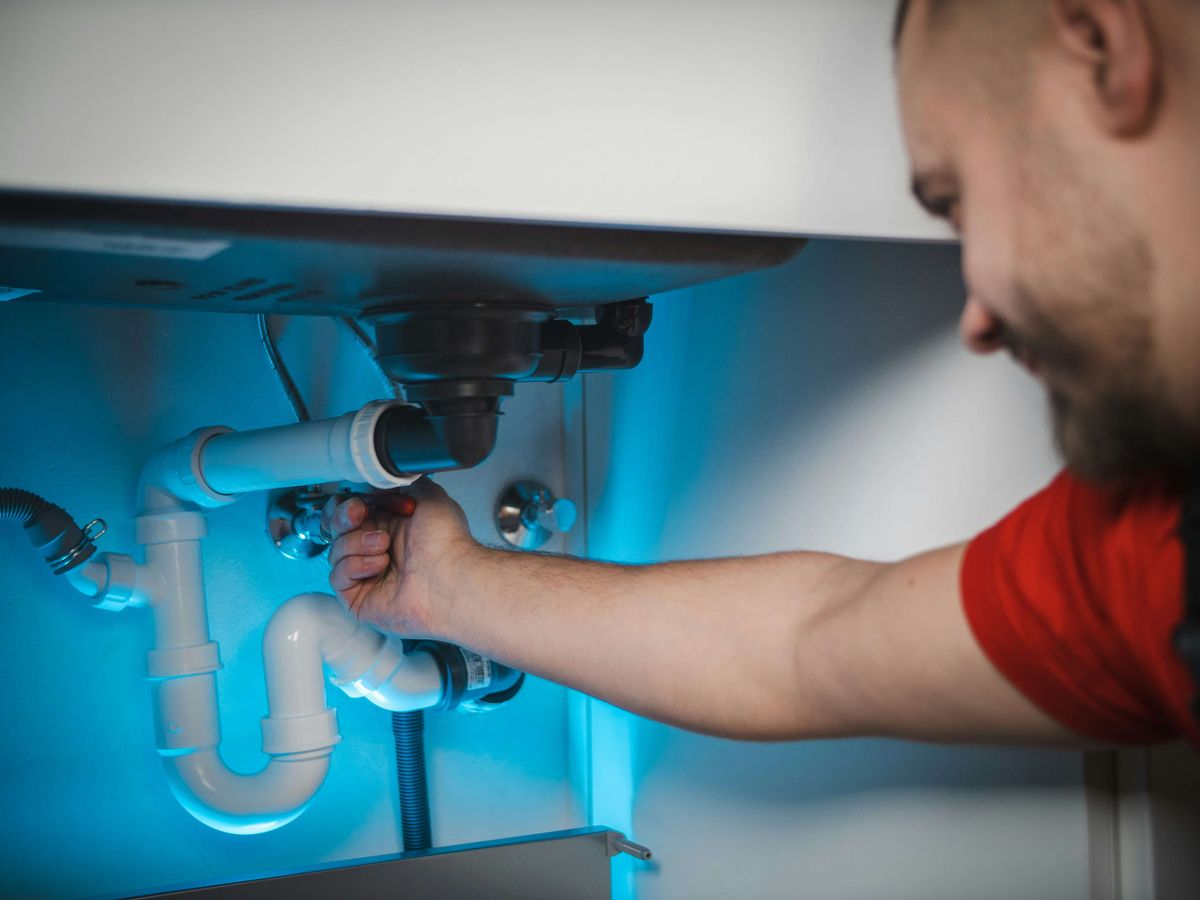
Your vendor list is one of your most valuable assets and a good contractor is worth their weight in gold.
Pipe bursts at 7 a.m. Saturday?
The difference between a quick fix and a catastrophe comes down to whether the right plumber answers the call.
How to build a vendor network that has your back:
Focus on building long-term partnerships, not one-off transactions.
When vendors see you as a reliable partner and not just another client, they start treating you like family. They'll pick up the phone on weekends, squeeze you in when their schedule is packed, and go above and beyond because they genuinely want to see you succeed.
Dripping faucet? Your handyman's got it. But some jobs demand licensed specialists. No exceptions.
Escalate immediately for:
The smartest managers have a clear mental list: what stays in-house, what goes to regular vendors, what gets escalated. When in doubt, escalate. The cost of a specialist is almost always less than a botched DIY job plus the legal exposure.
The move-in experience sets the tone for the entire tenant relationship.
Handing over a clean, well-maintained unit tells your tenant that you care about where they live and that you expect the same in return.
That first impression WILL carry through the rest of the lease.
A great welcome packet reinforces that standard and gives tenants everything they need to feel at home:
Walk the unit together.
Show them the breaker box, the thermostat, who to call for what. It's the same information as a rule book, but it feels like a welcome.
You don't need a big events budget to build community.
You just need to give people a reason to run into each other. This starts with keeping your common areas and amenities in great shape so they become natural third places:
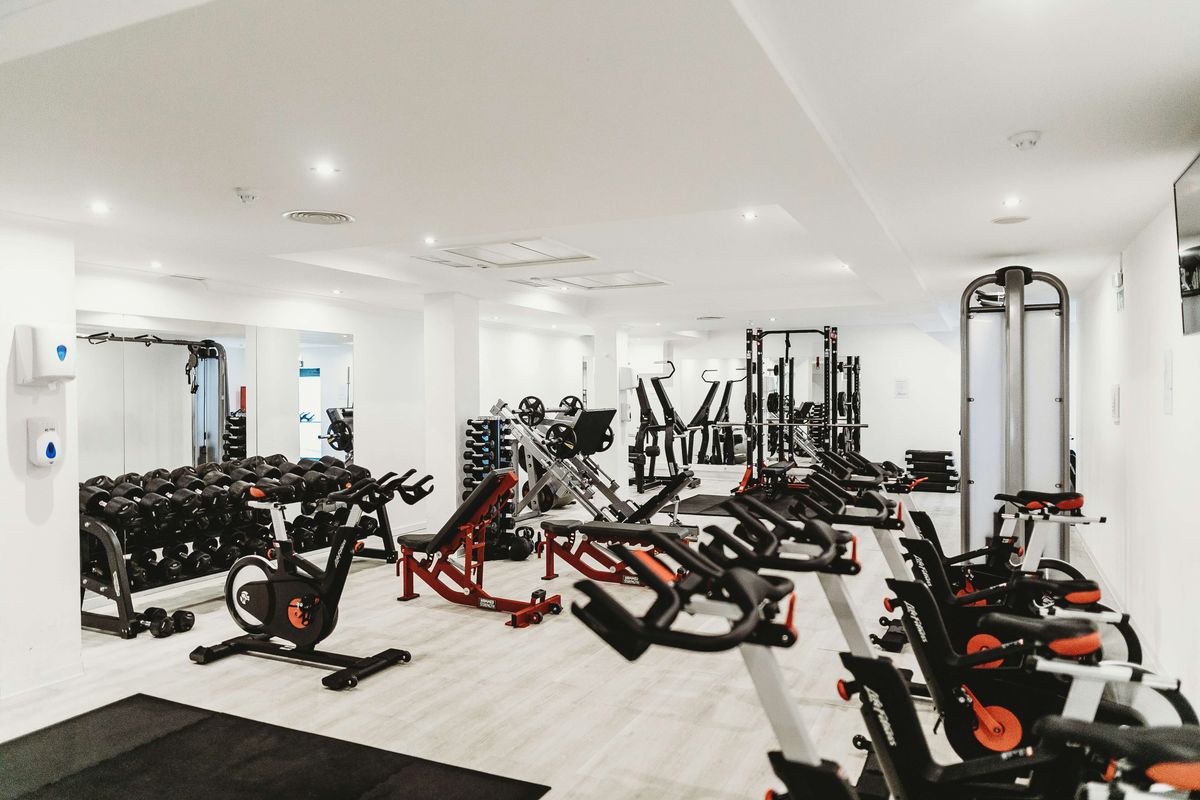
When residents actually use these spaces, they meet their neighbors.
Once people know each other by name, they resolve small annoyances directly, which means fewer calls to you.
And those same vibrant common areas double as your best marketing tool. Active, well-maintained spaces are great for visual marketing as they tell a story prospective tenants want to be part of.
Noise complaints. Parking disputes. Laundry room etiquette. These aren't going away. But how fast you respond determines whether it stays a minor annoyance or turns into a real problem.
Think of every unresolved dispute like a snowball rolling downhill. The longer you wait, the bigger it gets and the harder it is to stop. What starts as a simple noise complaint becomes a heated feud between neighbors.
Inaction doesn't make disputes go away, it just makes them harder to deal with when you finally have to.
When something comes up, move on it with a simple framework:
Most of the time, tenants aren't looking for promises. They're looking for results. A real change, even a small one, builds more trust than a dozen “you'll "look into it" promises.
Consistent cash flow starts with who you put in the unit.
A thorough screening process includes:
Pair that with clear rent collection policies, a firm approach to late payments, and appropriate insurance. Protecting income and protecting residents aren't competing goals. Same goal.
Roofs don't last forever. Boilers age out. Parking lots crack.
Your capital expenditure plan should track:
When the roof needs replacing, it's still a big project. But it's a line item you planned for—not a crisis that blindsides you. That's a fundamentally different experience.
Leases, financial records, maintenance logs, insurance documents scattered across filing cabinets, email threads, and desk drawers? That's stress you're building for future-you.
What to digitize first:
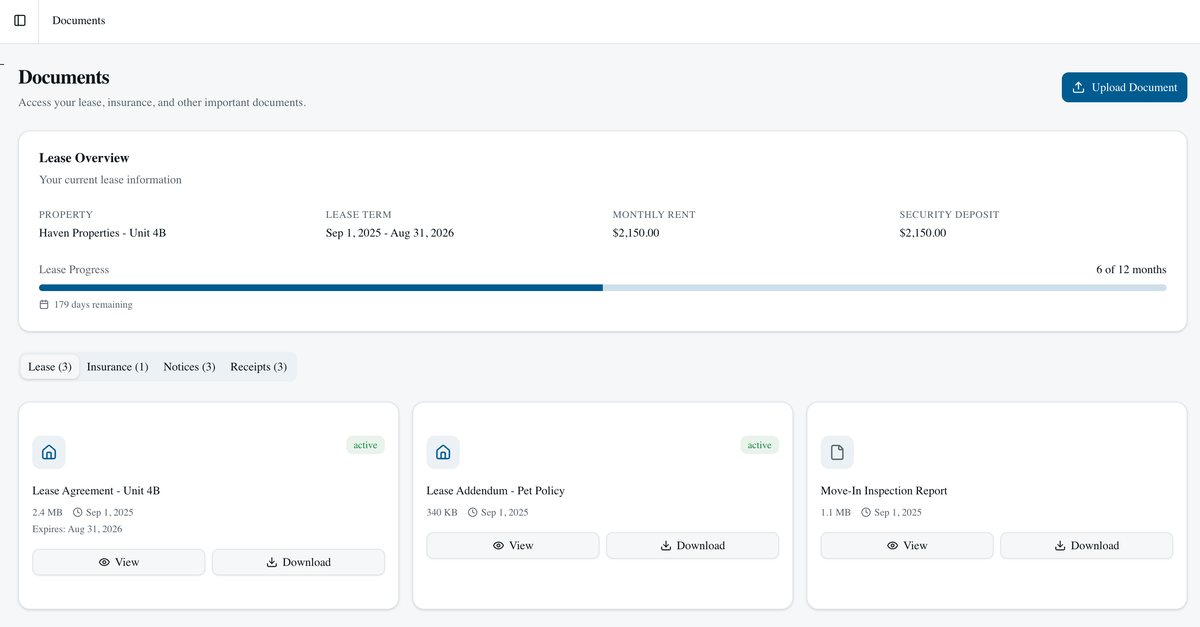
Cloud storage with proper backups means you can pull up a lease from your phone at 9 p.m. without driving to the office. Audits, disputes, tax season—all handled in minutes instead of days.
Pick a time. 7 p.m. That's the line. Notifications silenced until morning.
Set an auto-reply that defines true emergencies—flooding, fire, gas leak, security threat—with the right contact number. Everything else waits for business hours.
You'll be surprised how few actual emergencies happen after hours. And your mornings improve dramatically when you're not starting the day already drained.
Tip: Use auto-replies to tell tenants what a "true emergency" actually is. Watch how many late-night messages disappear.
This job can feel isolating. Decisions all day, nobody who truly understands the pressure.
Where to find your peer network:
Your peer network answers questions no Google search can replicate. Vendor recommendations. Tricky tenant situations. New regulations. Real-world solutions from people who've been there.
Constant interruptions make deep work impossible—unless you protect time for it.
How to make time blocking work in property management:
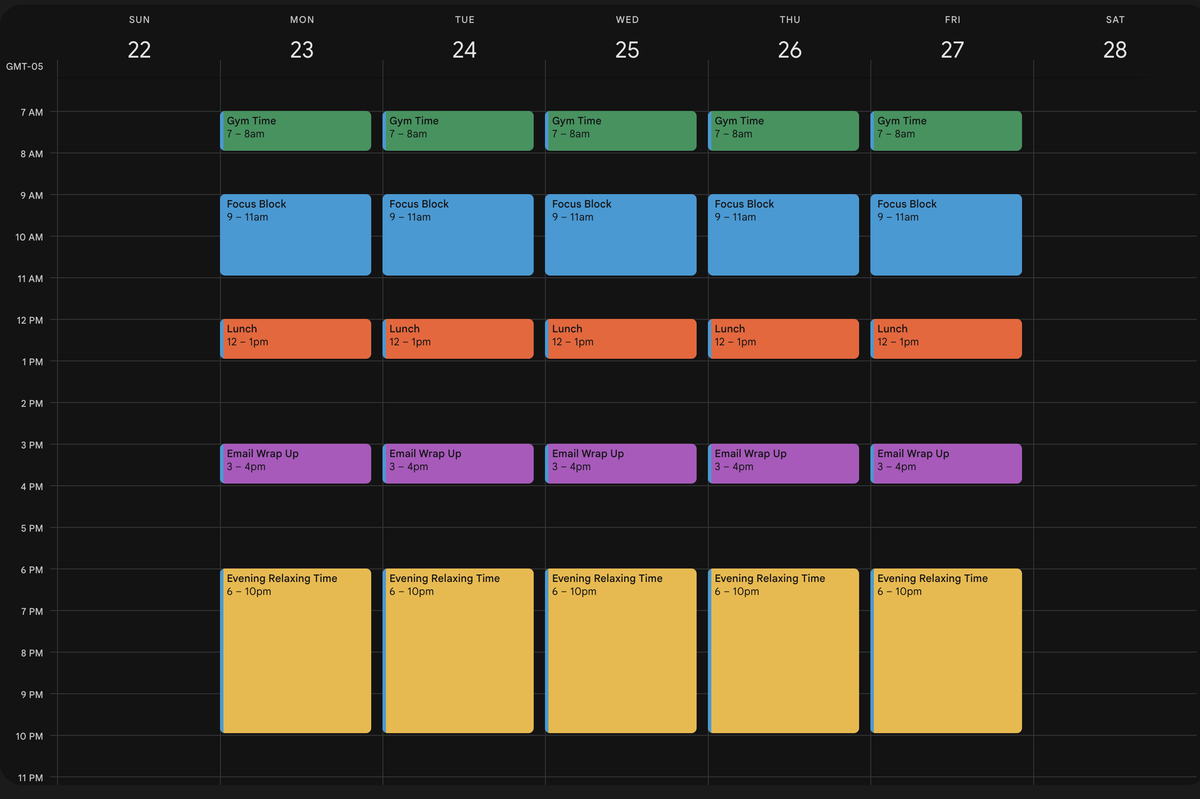
The daily interruptions will still be there when you're done. They can wait 90 minutes.
Tip: Silence the pings for 90 minutes to get the "big stuff" done in peace. You'll accomplish more in that window than most managers do in an entire scattered afternoon.
Every tip here comes down to one thing: working smarter so you can stop white-knuckling through every week.
That's where Realty AI fits in. While most property managers personally answer every inquiry, field every FAQ, and chase every lead, smart operators let an AI chatbot handle work that doesn't require a human touch.
See it in action
See how Madison qualifies, books, and routes leads in 2 seconds, across every page on your site.