How to Attract International Real Estate Buyers: 5 Proven Strategies
If you're wondering how to attract international real estate buyers, it takes more than just listing a property and posting on social media. It means understanding different cultures, using the right online tools, and delivering service that builds trust across borders. In this guide, we'll cover the strategies that turn those global connections into closed deals.
Nathan SmithPublished Sep 8, 2025Updated Jul 30, 202612 min read
Working with International Buyers vs. Domestic Buyers
Selling to international buyers isn't just "the same process with an extra step." There are several key differences
Decision speed: International buyers often take longer to commit, weighing a bigger decision from afar.
Financing: More likely to pay cash or need help with cross-border wire transfers.
Motivation: Often driven by investment, a second home, or residency goals rather than a primary residence.
Due diligence: May want extra verification on title and ownership since they can't easily check things themselves.
Negotiation: Style may differ based on home-country customs, so flexibility matters.
Closing: Often need remote or power-of-attorney closing options.
1. Build a Global Online Presence
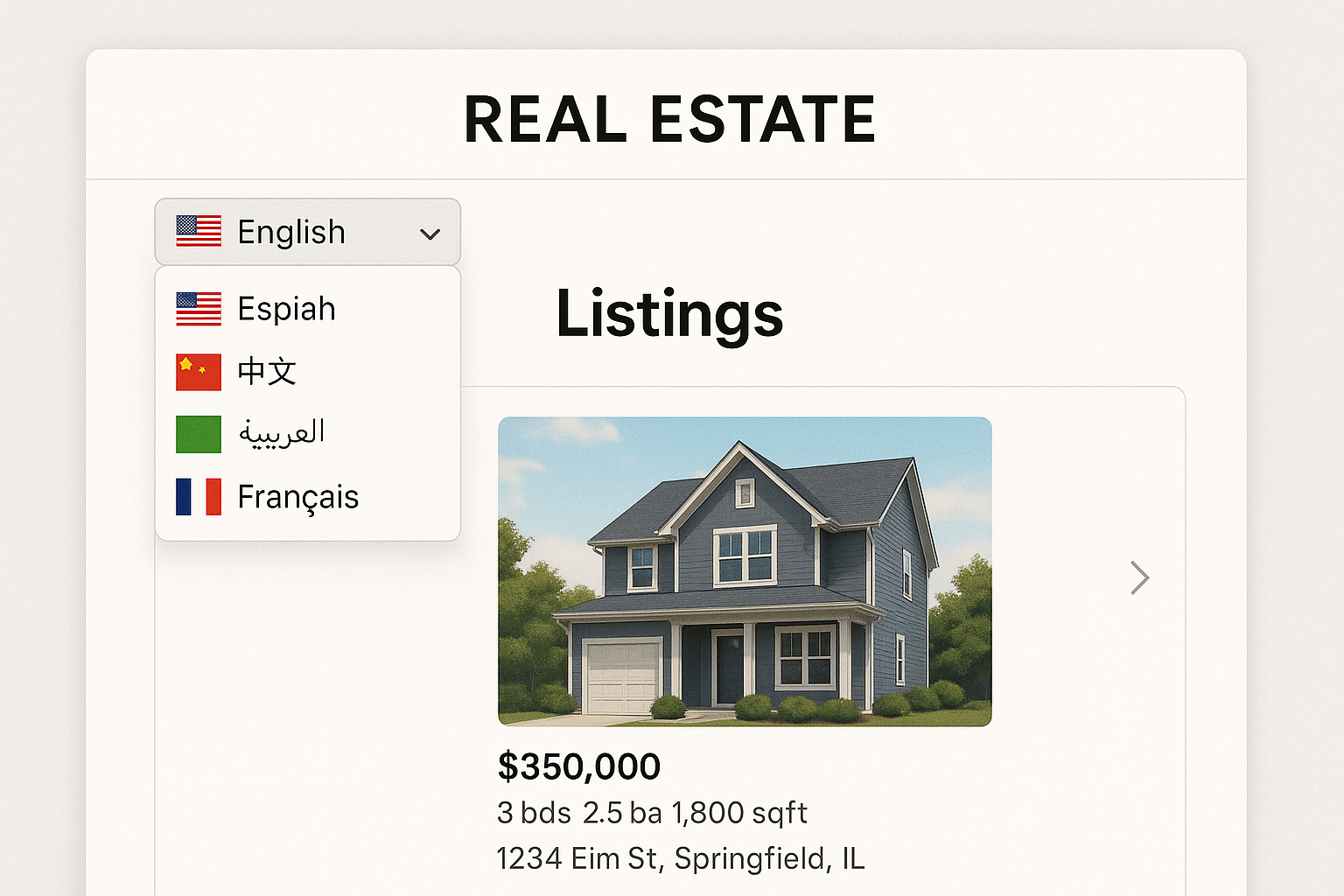
Create a User-Friendly, Multilingual Website
Your website needs to be simple to get around.
International buyers might not be fluent in English, so having translation tools built right in can make a huge difference.
This way, they can explore listings and find information without struggling with the language barrier. It really builds confidence when someone can browse in their native tongue.
Optimize Content for Global Search Engines
Getting found online is key. You want people searching from different countries to easily find your listings. This means using keywords and tags that people in other parts of the world might use when looking for properties.
It’s about making sure your site shows up when someone in, say, Germany or Brazil searches for real estate in your area.
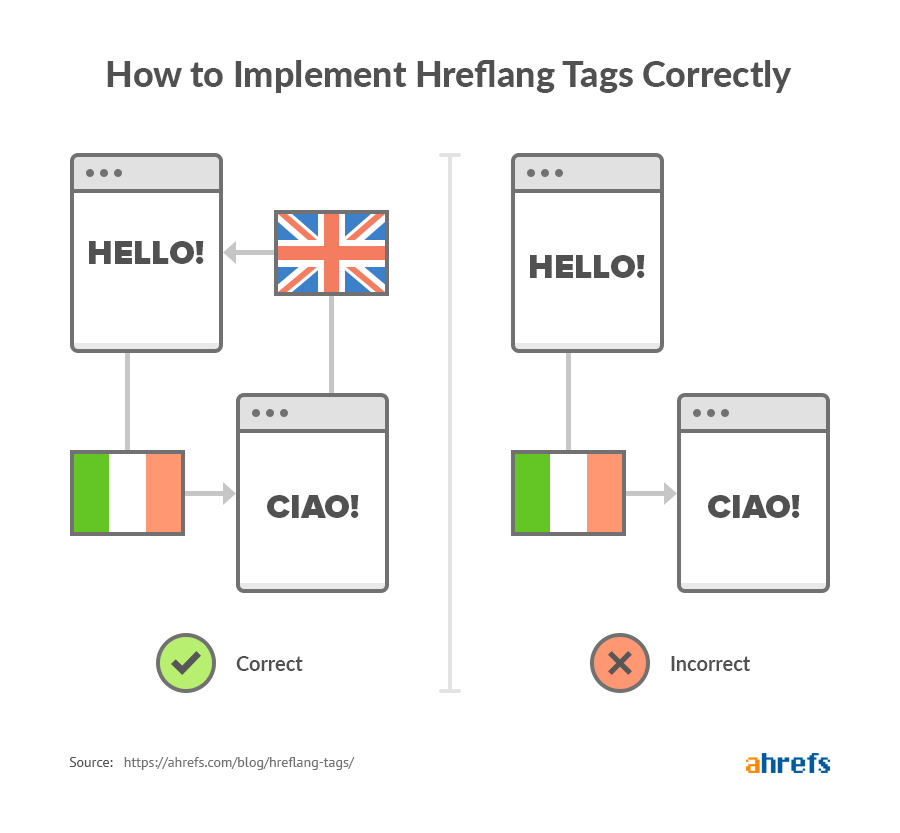
The best way to do this is to this is by adding subfolders for each different language and correctly tagging it using Hreflang tags.
This will allow the content to rank in the US as well as the other countries you are targeting as they use different slightly algorithms in their search engines.
Localize Marketing Content for Diverse Audiences
Localization does not mean translation. While you can have a direct translation, this nuance can be lost.
You need to adapt your message and understand cultural differences.
For example, certain colors or symbols might have different meanings. Researching what appeals to buyers in specific regions is key.
Factor
Translation
Localization
Goal
Convert words from one language to another
Adapt content to feel native to the reader's culture
Focus
Literal accuracy
Cultural relevance and tone
Tone
Often formal or literal
Reads like a local speaking to you
Scope
Words and sentences
Words, imagery, currency, units, colors, customs
Buyer Experience
Understands the words
Feels understood
Example
"This home has a large kitchen" translated word-for-word
Description reframed around what that region values, like family gathering space
Best Used For
Contracts, disclosures, legal documents where precision matters
Forget blurry phone pictures. For international buyers, professional photography and videography are non-negotiable. High-definition images that capture the best angles and features of a property are a must.
In some cases the buyer will not see the property so they depend on this to act as their eyes.
Even better are virtual tours. These let potential buyers walk through a home from their computer or phone, getting a real feel for the layout and space.
Tools like Matterport can create immersive 3D tours that really make a difference. This is how you make a property stand out when someone is browsing from thousands of miles away. It’s a big part of making your listings attractive to a global audience.
Use International Listing Platforms
Think of global listing platforms as your storefront on the world stage. These sites are where potential buyers from different countries go to search for properties. Signing up for services that let you list on these international portals is a smart move.
It’s like putting your property in a global catalog. Some services can get your listings onto dozens, even hundreds, of international real estate websites, which really widens your net.
Its also important to understand which platforms to use for which markets as someone in China is more used to a specific platform than someone from Switzerland.
Develop a Distinctive Personal Brand
Your personal brand is what makes you stand out.
What’s your specialty?
What makes you different from other agents?
Your brand should communicate your skills and your focus, especially if that focus is on international clients. A strong brand builds trust and makes buyers feel more confident working with you.
Show Success with International Clients
People want to see proof that you can handle international business.
Share stories about past clients from other countries and how you helped them is a great way to do this. It shows you understand their needs and can guide them through the process. Think about testimonials or case studies that highlight successful international transactions.
The best format for success stories are in this order
1. Video Testimonials: These work best because seeing and hearing a real buyer's genuine reaction builds the highest level of trust and emotional connection.
2. Photo Case Studies: These are effective because they pair visual proof with specific details a prospective buyer can study at their own pace.
3. Quotes: These are useful because they offer a quick, easy-to-scan trust signal for buyers who don't have time to watch or read something longer.
Use Social Media for International Prospects
Social media isn't just for keeping up with friends anymore; it's a powerful tool for reaching people worldwide.
Choose the right platform: Facebook and Instagram are big globally, but consider region-specific platforms like WeChat in China or VK in Russia.
Add native-language subtitles: Make sure videos hold attention even when the sound is off or English isn't a viewer's first language.
Follow local trends: Keep an eye on what's trending in the countries you're targeting, whether it's a specific audio, format, or style, and adapt your content to fit.
Post consistently: Share property highlights, local lifestyle content, and success stories to stay visible to international prospects over time.
2. Identify and Target Your Ideal International Buyers
Learn Cultural Traditions and Preferences
Think about it: what’s normal or desirable here might be totally different somewhere else. For example, some cultures really value a large, central kitchen for family gatherings, while others might prioritize a quiet, separate study. Knowing these little things can make a big difference in how you present a property.
It’s about showing them why this house fits their life, not just why it’s a good house.
Research common family structures and living arrangements in your target countries.
Look into dietary habits and how they might influence kitchen needs.
Consider attitudes towards entertaining and guest spaces.
Think about the location and how you can position this to fit their different lifestyles.
It’s easy to get caught up in the features of the house itself, but remember that you’re selling a lifestyle. What kind of lifestyle are your international buyers looking for? Does your property support that?
Customize Listings for Regional Significance and Clarity
This is where you really tailor your message. If you know buyers from a certain region love properties with lots of natural light, make sure your photos and descriptions highlight that.
If a particular neighborhood is known for its safety and good schools, and that's a big draw for families from a specific country, emphasize it.
It's like speaking their language, but with property features.
At the same time, don't leave anything to chance.
International buyers might not know local customs or what's typically included in a sale, so be really clear about what's part of the deal and what's not.
Are appliances included? What about built-in furniture? Spell it all out. Clear, detailed descriptions prevent confusion and build trust, and it's better to over-explain than to have a buyer show up expecting something that isn't there.
This attention to detail shows you respect their investment and their time.
Use Paid Ads That Speak to Their Lifestyle
Once you know what a region's buyers value, build real estate ads around it, not just the listing specs.
Hook: Lead with lifestyle, not stats. "A kitchen built for family gatherings" beats "4 bed, 3 bath."
Visual: Match the image to the hook. Highlighting light? Open with the brightest room.
Copy: Keep it short, mention the trait that matters to that audience, and end with one clear CTA like "See the full tour."
Platform: Match the channel to the audience, think Instagram or Facebook broadly, WeChat or VK for specific regions.
3. Provide Exceptional Service
Responsive Communication Across Time Zones
This is a big one. People buy houses at all hours, and if your buyer is in, say, Singapore, your 9-to-5 might be their middle of the night. You need a system for this.
Set up specific times for calls that work for both of you, or you use email and messaging apps that allow for asynchronous communication.
Being reliable and getting back to people quickly, even if it’s just to say you got their message and will reply fully later, builds a lot of confidence. It shows you're organized and you respect their time, no matter where they are.
Simplify Financial Transactions, Paperwork & The Process
Buying property involves a lot of money and a stack of documents.
For someone unfamiliar with your country’s banking system, legal requirements or property ownership laws, this can be really confusing and even a bit scary.
Break down the steps clearly.
Explain where the money needs to go
What forms are needed
Who is responsible for what
A timeline of the transaction & dates when documents need to be completed
Using secure online platforms such as Docusign for document signing or payment can also make things feel more modern and safe. Think about creating a simple checklist or a step-by-step guide that international buyers can follow.
Ensure Seamless Communication Across Languages
Beyond just a website, think about how you communicate throughout the entire relationship. Having reliable ways to translate emails, calls, and property descriptions helps avoid misunderstandings at every stage of the deal.
Here’s a quick rundown of what to focus on:
Translated Email Templates: Keep ready-to-use email templates in your buyers' most common languages so you can respond quickly without waiting on a translator.
Localization: Write content that reads like a local speaking to you, not a formal translation, so international buyers feel understood rather than marketed at.
Multilingual Document Support: Make sure contracts, disclosures, and other key paperwork can be translated or explained clearly, so nothing gets lost in the fine print.
A Dedicated Translator or Bilingual Assistant: For high-value deals or ongoing relationships, having a real person on call for calls, negotiations, or in-person meetings can catch nuance that tools miss and gives buyers someone to lean on when things get complicated.
4. Extend Your Sphere of Influence
Partner with Professionals Who Serve International Clients
Look beyond real estate agents for referral partners.
Immigration attorneys, wealth managers, relocation consultants, and international tax advisors all work with clients who are actively moving money and lives across borders, often before those clients even start house hunting.
Many of these buyers are also shopping in the luxury tier, and our guide on how to get into luxury real estate covers the same referral network from the other direction, plus how to handle the white-glove service this buyer segment expects.
When you team up with these professionals, they can send buyers your way at the exact moment they're ready to purchase, and you can return the favor by referring your clients who need their services.
These referrals usually come with a built-in level of trust, since the buyer already relies on that professional's judgment.
Working with people in adjacent fields gives you a broader view of what's driving international buyers to invest, whether it's a visa requirement, a currency shift, or a business expansion.
Attend International Real Estate Networking Events
Going to these events is like a crash course in global real estate. You meet people from all over, learn about different markets, and find potential partners. It’s a good way to put yourself out there and let people know you’re open to international business. You might even pick up some tips on how to handle tricky cross-border deals.
Join Global Real Estate Networks and Groups
There are plenty of organizations and online groups dedicated to international real estate. Joining them puts you in touch with a wider circle of professionals.
Think of groups like the International Consortium of Real Estate Associations (ICREA) or even specialized LinkedIn groups. These places are goldmines for information and potential referral partners.
5. Understand the Global Real Estate Landscape
Research International Market Trends
Keeping up with what’s happening in property markets worldwide is pretty important. You need to know where the money is flowing and what types of properties are in demand.
Think about countries with strong economies and stable currencies, as these often attract foreign investment.
A smart place to start are reports from places like the National Association of Realtors, HousingWire, Deloitte or other large consulting firms to get a feel for buyer preferences in different regions.
These white papers are a gold mine as very few people actually read them despite the hundreds of hours poured into them.
Identify Appealing Locations and Features
Some places just naturally draw international buyers.
Maybe it’s a sunny beach town, a bustling city center, or a quiet countryside spot. Think about what makes your area special. Is it good schools, a strong job market, or unique cultural attractions?
Highlighting these features can make a listing you own stand out to someone who doesn't know the area well.
Analyze Economic Stability and Investment Opportunities
When people buy property in another country, they’re often looking for a solid investment. This means looking at the economic health of the country and the local area.
This makes the following factors even more important:
Job growth
Interest rates
Government policies on foreign ownership
Understanding these economic indicators helps you advise buyers on where their money is likely to grow and be safe.
Here’s a quick look at some factors to consider:
Economic Growth: Is the country’s economy expanding?
Currency Stability: How does the local currency hold up against others?
Property Laws: What are the rules for foreign buyers?
Market Demand: Are prices generally going up or down?
Being Global Won't Help If You Sound Like Everyone Else
You can build the multilingual site, localize the content, and get the time zones right, and still lose the lead to an agent who did none of it. Because translating a generic message doesn't make it less generic.
It just makes your sameness available in four languages.
Think about what an international buyer is actually working with. They've never met you. They can't drop by your open house or get a read on you over coffee. Every impression they form comes off a profile, a website, and maybe one video call at an awkward hour.
So what's on your page? If it's responsive, honest, great communicator, and passionate about helping families find their forever home, you've handed them nothing to choose you on.
So, reaching buyers from other countries isn't some impossible dream. It takes a bit of effort, sure, but by understanding what they're looking for and using the right tools, you can really make your business grow.
One of the easiest ways to start converting that global traffic into real clients is by adding a multilingual chatbot to your website.
It can greet international buyers in their own language the moment they land on your site, answer their questions at any hour regardless of time zone, and capture their information while you're asleep so no lead falls through the cracks.
Why should I focus on attracting international buyers for my real estate business?
International buyers often spend more money on properties than local buyers. This means bigger deals for you! Plus, it helps your business grow by reaching more people around the world.
What's the best way to show my properties to people in other countries?
Use great photos and videos! Virtual tours are also super helpful because buyers might not be able to visit in person. Listing on international websites is also key.
How can I make sure international buyers understand my listings?
Make your website easy to use and offer it in different languages. Using translation tools for important information helps a lot. Clear descriptions in your listings are also a must.
What cultural things should I keep in mind when working with buyers from other countries?
It's smart to learn about their traditions and what they like. This helps you pick the right features to highlight in your listings and talk to them in a way they understand and appreciate.
How do I handle communication when buyers are in a different time zone?
Be quick to reply, even if it's late for you. Knowing their time zone helps you respond faster. Simple, clear answers build trust, especially when dealing with paperwork and money.
What if a buyer doesn't speak much English?
You can use translation tools for your website and important documents. Pictures and videos also help explain things without needing many words. Having someone who speaks their language can also be a big help.
Related articles
More in Agent Growth
Keep reading in the same category to go deeper on the topics that matter to your team.
Learn proven real estate ad strategies and see 15 real examples that generate quality leads. Discover what works across Facebook, Instagram, and Google Ads.
About Madison
The AI assistant built for real estate lead gen
Madison is Realty AI's conversational assistant for real estate websites. It engages visitors instantly, qualifies buyers, sellers, and renters through natural dialogue, routes summaries to your CRM, and keeps your team focused on closing.
5.0 average from 2,500 customer reviews
“We captured 3 new transactions worth over $3.3 million in just a few months using Realty AI.”
Sarah Logue
Broker & Owner, Top 0.1%
“Within our first week of using Realty AI, I had an engaged seller ready on the phone. This has never happened before in 4 years.”
Mark Jensen
Owner & Broker of Record
“It feels like having a personal assistant on my website 24/7, sending me instant notifications so I never miss a potential client.”